Escaping the Grip: Understanding Spiritual Stockholm Syndrome

In part 2 of our conversation with Tom Snow, on this week’s episode of Thrive by The Rising Muse, we talk about those things that keep us in bondage that we even foster.

Imagine being held captive by beliefs that you defend with fervor, even as they limit your spiritual growth. This is the essence of spiritual Stockholm syndrome, a concept explored in our latest episode with Tom Snow. Join us as we delve into the complexities of religious captivity and the path to liberation.

Tom Snow introduces the idea of spiritual Stockholm syndrome, where individuals develop a psychological alliance with the belief systems that confine them. He explains how these systems, often rooted in fear and control, can lead believers to defend their own spiritual captivity, mistaking it for faithfulness.

Religious captivity can manifest in various forms, from rigid doctrines to manipulative leadership. Tom discusses the emotional and spiritual toll this takes on individuals, highlighting stories of those who have struggled to overcome this challenge. The episode sheds light on the subtle ways in which captivity is maintained and the courage required to challenge it.

Breaking free from spiritual captivity requires introspection and a willingness to question long-held beliefs. Tom emphasizes the importance of seeking truth and authenticity in one’s spiritual journey, offering practical advice for those seeking to escape the grip of false beliefs and find a more fulfilling path.

“Escaping the Grip” is a call to action for anyone feeling trapped by their beliefs. This episode encourages listeners to reflect on their spiritual journey and consider the possibility of a faith unburdened by captivity. Join us in this enlightening conversation and take the first step towards spiritual freedom.

“Set the Captives Free” is not just a book title but a call to action for those seeking spiritual liberation. This episode invites listeners to reflect on their own beliefs and consider the possibility of a faith unburdened by false constructs. Join us in this transformative conversation and take the first step towards spiritual freedom.

Subscribe now to stay updated on future episodes and continue your journey towards a more authentic faith.

Why You’re UNKNOWINGLY Defending the Rules that Keep You Trapped?

Unmasking the Chains: False Belief Systems in Religion

In a world where faith is often seen as a sanctuary, the reality of spiritual captivity within religious contexts can be a startling revelation. Tom Snow, author of “Set the Captives Free,” joins us to explore the origins and impacts of false belief systems that have infiltrated religious practices. This episode sheds light on the hidden chains that bind believers and offers a path to true spiritual freedom.

Tom Snow delves into the historical roots of false belief systems, tracing their emergence from well-intentioned interpretations to rigid constructs that often stray from original spiritual teachings. He highlights how these systems have been shaped by human desires for power and control, leading to a distortion of true faith.

False belief systems can create a spiritual Stockholm syndrome, where individuals unknowingly defend their own bondage. Tom discusses how these systems manipulate believers into accepting constraints that limit their spiritual growth and understanding. The conversation reveals the subtle ways in which these beliefs are perpetuated and the challenges faced by those seeking to break free.

The episode offers hope and guidance for those feeling trapped by false beliefs. Tom emphasizes the importance of personal exploration and a return to the core tenets of faith, encouraging listeners to question and seek truth beyond the confines of established doctrines. By embracing a more authentic spiritual journey, believers can find liberation and a deeper connection with their faith.

“Set the Captives Free” is not just a book title but a call to action for those seeking spiritual liberation. This episode invites listeners to reflect on their own beliefs and consider the possibility of a faith unburdened by false constructs. Join us in this transformative conversation and take the first step towards spiritual freedom.

Subscribe now to stay updated on future episodes and continue your journey towards a more authentic faith. Is the Church Keeping You Trapped Without You Knowing?

Meaningful Decisions This New Year

Self-care and meaningful resolutions often dominate the conversation as the new year begins. But 2025 must be different. Life has shown us that “business as usual” is no longer acceptable. We can’t keep making promises to ourselves only to abandon them within weeks. This year demands resolutions that reflect the urgency of our times—resolutions that bring us peace, fulfillment, and connection. Here are five true resolutions to embrace in 2025:

1. Tell Those Around You That You Love Them

As of January 17, 2025, more than 40 lives have been tragically lost in major events, including 25 in the California fires, five in last weekend’s winter storms, and 15 in the Louisiana terrorist attack. This doesn’t even account for the countless others lost to accidents, illnesses, and age. Each of these numbers represents families who didn’t get one last word with their loved ones.

This year, let’s make it a priority to express our love—not just in words but in actions. Send that text, make that call, or give that hug. As Proverbs 27:1 reminds us, “Do not boast about tomorrow, for you do not know what a day may bring.” Cherish the moments you have now.

2. Make Amends and Forgive

Life is unpredictable, and holding onto anger only weighs us down. If amends need to be made, take the first step. If reconnecting isn’t safe or advisable, you can still forgive in your heart. Forgiveness isn’t about the other person; it’s about releasing yourself from bitterness. As Ephesians 4:32 says, “Be kind to one another, tenderhearted, forgiving one another, as God in Christ forgave you.” Let this year be one of emotional freedom.

3. Start a Form of Minimalism

We’re surrounded by clutter—both physical and emotional. If you don’t need it, don’t buy it. A helpful tip shared by a guest on The Rising Muse podcast is to leave items in your cart for 24 hours before deciding to purchase. You’ll be amazed at how many “needs” turn out to be unnecessary.

For me, this year’s purchases will focus on essentials like groceries, gas, and clothes for my growing child. As Ecclesiastes 5:10 warns, “Whoever loves money never has enough; whoever loves wealth is never satisfied with their income.” Let’s aim for simplicity, contentment, and intentional living.

4. Learn a New Survival Skill

Our dependence on technology can leave us unprepared for even minor disruptions. Consider learning basic survival skills: sewing a button, fixing a tire, or preparing a meal without electricity. This isn’t about doomsday prepping; it’s about practicality. Proverbs 22:3 offers wisdom: “The prudent see danger and take refuge, but the simple keep going and pay the penalty.” Being prepared is an act of wisdom and stewardship.

5. Prioritize Health

You don’t need a gym membership to get moving. Walk around your neighborhood, dance to your favorite playlist, or play actively with your kids. Just give your body the movement it craves. In 1 Corinthians 6:19-20, we’re reminded, “Your body is a temple of the Holy Spirit within you… glorify God in your body.” Small, consistent efforts can have a big impact.

Watch What Goes Into Your Body

This isn’t about restrictive diets. Instead, focus on small, manageable changes. Drink more water, cut back on fried foods, or reduce sugar intake. And don’t forget to feed your spirit. Are you praying or meditating? Protect your peace by avoiding content and environments that disturb your mood. Philippians 4:8 encourages us to dwell on what is true, noble, and praiseworthy.

6. Purge Your Social Life

Are you attending events out of obligation rather than joy? Are there relationships that bring more stress than peace? This year, embrace the power of “no.” As Ecclesiastes 3:1 reminds us, “There is a time for everything, and a season for every activity under the heavens.” Prioritize what truly matters and let go of what doesn’t serve you.

7. Pick a New Hobby

Try something new. It doesn’t have to be big or expensive. If you have the time and interest, it could be as simple as reading a certain number of books or experimenting with a new recipe each week. Look for free activities to enjoy on your days off at least once a month. Even something as small as getting crayons and a coloring book can bring joy and relaxation. Exploring a new hobby can bring fulfillment and add a spark of creativity to your life.

Final Thoughts

These resolutions aren’t about radical changes or impossible goals. They’re small, intentional steps that lead to a less stressful, more fulfilling life. As Psalm 90:12 prays, “Teach us to number our days, that we may gain a heart of wisdom.” Let’s make 2025 the year we live with purpose, connection, and peace.

Cultivating Inner Peace for Global Harmony: The International Day of Peace

The International Day of Peace, observed on September 21st each year, provides an opportunity for people around the world to reflect on the importance of peace in our lives, communities, and the world at large. While the pursuit of global peace is a noble endeavor, it often begins with a simple yet profound realization: to promote peace on a global scale, we must first find peace within ourselves.

In the quest for inner peace, we can find solace and strength in our faith and connection with God. This serves as a guiding light on our journey towards peace. Our faith can offer a profound sense of purpose, comfort, and resilience in the face of life’s challenges. It reminds us that, regardless of our individual paths, tapping our faith can be a source of profound inner peace and a guiding force in our efforts to promote global harmony.

Inner peace, often described as a state of calm, tranquility, and emotional stability, is a fundamental aspect of our overall well-being. It is the cornerstone upon which we can build a peaceful and harmonious world. But how do we cultivate inner peace in a world filled with turmoil, stress, and uncertainty?

Self-awareness: The Journey Begins Within

The path to inner peace begins with self-awareness. It involves taking a close look at our thoughts, emotions, and reactions. By understanding ourselves better, we can identify the sources of our inner turmoil and work toward resolving them. Self-awareness enables us to choose our responses consciously rather than reacting impulsively to external stimuli.

Prayer, Mindfulness and Meditation

Practices like prayer, mindfulness and meditation are powerful tools for nurturing inner peace. These practices encourage us to live in the present moment, to let go of worries about the past and future, and to find tranquility within ourselves. Regular meditation can help reduce stress, anxiety, and promote emotional balance.

Philippians 4:6-7 (NIV):

“Do not be anxious about anything, but in every situation, by prayer and petition, with thanksgiving, present your requests to God. And the peace of God, which transcends all understanding, will guard your hearts and your minds in Christ Jesus.”

Gratitude and Positivity

Cultivating inner peace involves focusing on the positive aspects of life. Gratitude exercises can help shift our perspective from what’s lacking to what we have. By acknowledging the good in our lives, we can cultivate a more peaceful and contented mindset.

Colossians 3:15 (NIV):

“Let the peace of Christ rule in your hearts, since as members of one body you were called to peace. And be thankful.

Forgiveness

Holding onto grudges and resentments can be a major obstacle to inner peace. Learning to forgive ourselves and others is essential. Forgiveness doesn’t mean condoning hurtful actions, but it does free us from the burden of anger and resentment, allowing us to move forward with greater inner peace.

Compassion and Empathy

Empathy and compassion are key to fostering inner peace. When we extend kindness and understanding to ourselves and others, we create an environment of acceptance and harmony. By recognizing our shared humanity, we build connections that transcend boundaries and promote global peace.

The Ripple Effect of Inner Peace

As individuals cultivate inner peace, a profound ripple effect begins to take place. People who are at peace with themselves are more likely to promote peace in their families, communities, and societies. It is through these collective efforts that global peace becomes attainable.

On the International Day of Peace, let us remember that the journey to global harmony begins within each of us. By cultivating inner peace through self-awareness, mindfulness, gratitude, forgiveness, compassion, and conflict resolution skills, we contribute to a more peaceful world. As Mahatma Gandhi famously said, “You must be the change you want to see in the world.” So, let us be the embodiment of peace, and together, we can create a world where peace is not just a dream but a reality.

John 14:27 (NIV):

“Peace, I leave with you; my peace I give you. I do not give to you as the world gives. Do not let your hearts be troubled and do not be afraid.”

Cultivating Inner Peace:

Photo by Maria Gulyaeva on Pexels.com

As we approach the International Day of Peace on September 21st, it’s a reminder that true peace begins within ourselves. While the quest for world peace is admirable, it finds its roots in the Christian faith through the peace that surpasses all understanding. In this blog post, we will explore the significance of inner peace from a Christian perspective, its connection to the International Day of Peace, and practical steps to foster tranquility within.

Inner peace, is more than just a state of calm; it is a reflection of a deep and abiding faith in God’s love and providence. It is rooted in the knowledge that God is in control and that His peace can fill our hearts, even in the midst of life’s storms.

The International Day of Peace, observed annually on September 21st, calls us to reflect on the peace that Christ offers and to share it with the world. As Christians, we understand that peace on a global scale is intricately linked to our individual pursuit of inner peace in Christ.

Why Inner Peace Matters

  1. Spiritual Well-being: Inner peace nurtures our spiritual well-being, allowing us to draw closer to God and experience His presence.
  2. Relationships as a Ministry: We can use our inner peace to be better ministers to those around us, demonstrating the love and peace of Christ through our actions.
  3. Conflict Resolution: A peaceful heart equips us to resolve conflicts with grace and humility, following the example of Jesus.
  4. Global Impact: Collectively, as Christians who embody the peace of Christ, we can influence our communities and nations for the better.

Practical Steps to Cultivate Inner Peace

  1. Prayer and Scripture: Spend time daily in prayer and studying the Scriptures to deepen your faith and understanding of God’s peace.
  2. Forgiveness: Practice forgiveness as Christ forgave us, releasing grudges and seeking reconciliation.
  3. Service and Acts of Love: Serve others with love and humility, following the example of Jesus washing His disciples’ feet.
  4. Trust in God’s Plan: Trust in God’s plan, even when facing uncertainties, knowing that He works all things for good.
  5. Community and Fellowship: Engage in community and fellowship for support and spiritual growth.

This International Day of Peace, let us remember that true peace, the peace that surpasses all understanding, begins with Christ within us. By cultivating inner peace through our faith, we can share the peace of Christ with a world in need. As Christians, we are called to be ambassadors of God’s peace, leading the way towards a world where His peace reigns supreme. Start with your relationship with Christ, and together, we can bring His peace to the forefront of our lives and the world.

WF: Running in Circles

I’ve been wanting to share this song with you for the longest time. I just didn’t know the name of it, to find it. Every time I hear this song I can’t but feel a great communion with the Lord and an upmost sense of peace, because like the song says, “you’re the only one who gives me peace”.

No matter what we are going through, we can take five minutes to be revived by the peace that only the Prince of Peace can give.

WF: Worship Friday

book2

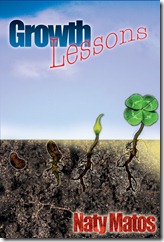
Please remember that if you’re in need of guidance and inspiration , get a copy of my book “Growth Lessons”  This opportunity ends tonight. Grab this wisdom pearl for just 0.99 cents…just for today using promo code NF98U

Be Blessed!