Breaking the Silence on Burnout: A Journey to Healing

In today’s fast-paced world, burnout is a silent epidemic affecting countless individuals. It’s more than just feeling tired; it’s a deep soul-level exhaustion that leaves us feeling empty and disconnected. In this episode of Thrive by the Rising Muse, Naty and Veda open up about the hidden struggles of burnout and share insights on how to recognize and heal from it.

Burnout isn’t just about being overworked. It’s the exhaustion that comes when you give more than you receive, when the balance between pouring out and being poured into disappears. It manifests as irritability, numbness, loss of motivation, and even spiritual silence. Recognizing these signs is the first step towards healing.

Rest is not laziness; it’s sacred. In faith circles, we’re often encouraged to push through, but sometimes strength looks like taking a step back. Naty emphasizes that rest is a holy practice, modeled by God Himself. It’s essential to release the guilt associated with rest and embrace it as a form of self-care and stewardship.

Burnout thrives where boundaries are missing. Saying ‘no’ is crucial for maintaining balance and preventing burnout. It’s important to prioritize your well-being and understand that you can’t pour from an empty cup. Setting boundaries allows you to serve others from a place of abundance rather than obligation.

In faith communities, burnout can be mistaken for a spiritual attack. However, it’s often a sign that you’re doing too much of the wrong thing for too long. Naty reminds us that God doesn’t call us to burn out; He calls us to balance. By reconnecting with ourselves and God, we can find the strength to overcome burnout.

Burnout doesn’t mean you’re broken; it means you’ve been carrying too much for too long without refills. Remember, you are still enough, still chosen, and still loved. Embrace rest as your right and take the necessary steps to heal. Subscribe now to continue this journey with us and discover more insights on thriving in life.

Subscribe now to our podcast for more episodes on mental health and spiritual well-being. Let’s walk this journey together and find balance in our lives.

Navigating the Silent Battles: Mental Health and Breast Cancer

In the heart of Breast Cancer Awareness Month, we delve into the often-overlooked mental health challenges faced by those battling breast cancer and their caregivers. This journey is not just about survival but also about managing the silent battles of anxiety, depression, and fear that accompany the physical fight. Join us as we uncover these stories and insights in our latest episode.

The Unseen Struggles: Breast cancer is a formidable opponent, affecting one in eight women in the U.S.

While treatment advances have improved survival rates, the mental health toll remains significant. Patients often grapple with “chemo brain,” body image issues, and the constant fear of recurrence. Caregivers, too, bear a heavy burden, juggling medical appointments, emotional support, and their own mental health. Discover personal stories and expert advice in our episode.

Journaling, support groups, and therapy are vital tools for managing mental health. Movement, even gentle exercises, can offer healing. For caregivers, self-care is crucial. As one caregiver shared, “You can’t pour from an empty cup.” Taking time for oneself is not selfish but necessary to provide quality care. Learn more about these coping strategies in our discussion.

Faith can be a powerful anchor, offering hope and strength. Community support, whether through churches or peer groups, provides a network of care and understanding. As one participant noted, “Faith doesn’t erase the pain, but it gives us an anchor.” Hear more about the role of faith in our episode.

Breast cancer is a journey of both physical and emotional healing. By acknowledging and addressing the mental health challenges, we can better support those affected. Remember, healing is not just physical; it’s emotional and spiritual. Let’s continue to raise awareness and support each other in this journey.

Don’t miss our latest episode of Thrive by the Rising Muse, where we dive deep into these topics with heartfelt stories and expert insights. Subscribe now and join the conversation. Together, we can navigate these challenges and thrive.

“When God Seems Silent: Navigating Spiritual Desolation”

In the quiet moments of our spiritual journey, we often encounter a profound silence that can feel both unsettling and enlightening. This silence, sometimes perceived as abandonment by God, invites us to explore the depths of our faith and the resilience of our spirit. On the most recent episode of Thrive by The Rising Muse, we discuss why this happens and how to overcome it.

Spiritual silence is a phase where the usual signs of divine presence seem absent. It’s a time when prayers feel unanswered, and the comforting sense of God’s presence is elusive. This silence can be a test of faith, urging us to seek deeper understanding and connection.

Feeling abandoned by God is a common experience during spiritual silence. It’s a period marked by doubt and questioning, where the absence of divine reassurance challenges our beliefs. Yet, this feeling can also be a catalyst for growth, pushing us to redefine our relationship with the divine.

Instead of resisting the silence, embracing it can lead to profound insights. This period of quiet can be an opportunity to listen more intently to our inner voice and to find strength in solitude. It encourages us to trust in the unseen and to find peace in the unknown.

Experiencing spiritual silence and feeling abandoned by God are integral parts of the spiritual journey. They teach us resilience, patience, and the importance of faith in the unseen. By embracing these moments, we open ourselves to deeper spiritual growth and understanding.

Subscribe Now:

Stay connected for more insights and reflections on your spiritual journey. Subscribe now to receive updates and new posts directly to your inbox.

Discovering Self Through the Journey: The Transformative Power of Travel

In a world where the hustle and bustle often drown out the whispers of our inner selves, travel emerges as a beacon of self-discovery and healing. In this episode of “Thrive by the Rising Muse,” Naty and Veda sit down with Theresa Charles, founder of Nomadic Noni, to explore how travel can be a profound act of self-care and empowerment.

“Travel in and of itself can be self-care,” Theresa shares, emphasizing the importance of focusing on oneself during these journeys. Whether it’s solo travel or group trips, the act of stepping outside one’s comfort zone can lead to significant personal growth and healing.

Theresa has spent over two decades connecting people with their roots through travel. Her work with Nomadic Noni is not just about visiting new places but about creating immersive experiences that foster cultural understanding and personal transformation. From Afrocentric bridal showers in Chicago to youth heritage trips in Ghana, Theresa’s initiatives highlight the importance of cultural connections.

One of the most poignant moments Theresa recalls is her visit to the slave dungeons at Cape Coast Castle in Ghana. “When you are in that space, something changes within you,” she reflects. These experiences are designed to be more than just vacations; they are journeys that change perspectives and lives.

As they discuss, travel is not just about seeing new sights but about engaging deeply with the world and oneself. For those feeling disconnected or burnt out, perhaps the journey toward healing begins with a passport and an open heart.

Subscribe Now: Join us on this journey of self-discovery and cultural exploration. Subscribe to “Thrive by the Rising Muse” for more inspiring stories and insights.

Holistic Healing and Faith: A Journey Toward Wholeness

In today’s fast-paced world, our minds, bodies, and spirits are often treated as separate parts of who we are. But what if true healing comes from seeing ourselves as whole beings? This is where holistic healing and faith integration meet—creating a path that brings balance, peace, and restoration.

On this week’s episode of Thrive by The Rising Muse, hosts Naty and Veda sit down with Melissa Armstrong, a former nurse turned holistic health coach, to explore how faith and wellness complement each other. Melissa opens up about her personal journey from traditional nursing into holistic health, sharing the ways trauma, emotional wounds, and nutrition all impact our well-being.

Together, they dive deep into the role of faith as a bridge that connects the inner world with the divine—allowing healing to flow naturally. Through practices like meditation, mindful living, and spiritual grounding, Melissa reminds us that healing isn’t just about fixing symptoms, but about restoring joy, balance, and connection.

Key Takeaways from this Episode:

  • Trauma affects both the mind and the body—and healing requires tending to both.
  • Faith provides purpose, strength, and hope throughout the wellness journey.
  • Holistic practices like meditation, nutrition, and mindful living create harmony when integrated with spiritual beliefs.
  • Healing is a journey, not a destination, and every person is worthy of wholeness.

If you’ve ever wondered how faith and wellness can work together, this conversation will inspire and encourage you. Whether you’re seeking healing from trauma, looking for balance in your daily life, or simply curious about holistic health, this episode will leave you with powerful insights and practical steps forward.

To connect with Melissa, www.holistichealthbymelissa.com

🎧 Listen now and discover how faith and holistic healing can transform the way you see wellness and wholeness.

👉 Don’t forget to subscribe to Thrive by The Rising Muse for more stories and conversations that inspire growth, healing, and resilience.

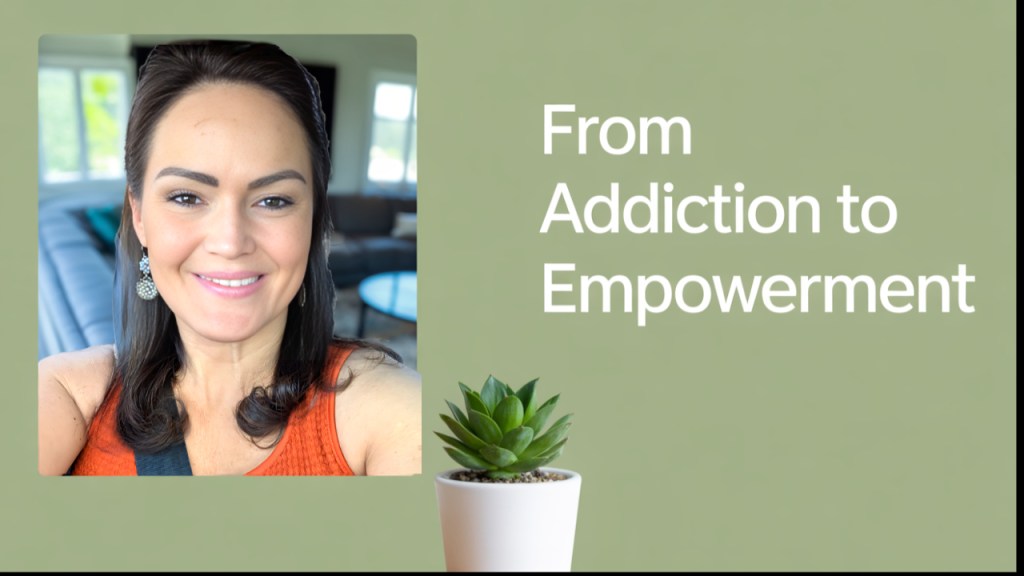
Lindsay McCutcheon: A Journey from Addiction to Resilience

In a world where challenges often seem insurmountable, stories of recovery and resilience shine as beacons of hope. Lindsay McCutcheon’s journey is one such story—a testament to the power of the human spirit to overcome adversity and emerge stronger than ever.

Lindsay’s battle with addiction began at a young age, spiraling into a life dominated by substances. “I crossed that invisible line of addiction at 23,” she recalls, marking the beginning of a tumultuous journey. Despite the chaos, Lindsay’s story is not one of defeat but of relentless determination to reclaim her life.

In 2018, Lindsay reached a pivotal moment. “I hit my knees in my bedroom one Sunday and cried out to God,” she shares. This moment of surrender marked the start of her recovery, fueled by a newfound strength and the support of a community that believed in her potential.

Lindsay’s recovery was not just about abstaining from substances; it was about transforming her life. Through the fellowship of Alcoholics Anonymous and the unwavering support of her family, she learned to navigate the complexities of sobriety. “I learned that you can have fun in recovery,” she emphasizes, highlighting the importance of finding joy in the journey.

Today, Lindsay stands as a certified peer specialist, helping others navigate their own paths to recovery. Her story is a powerful reminder that resilience is not the absence of struggle but the ability to rise above it. “If you stay sober, the sky’s the limit,” she affirms, inspiring others to believe in their own potential.

Lindsay McCutchey’s journey is a testament to the unyielding spirit of recovery and resilience. Her story reminds us that no matter how deep the darkness, there is always a path to the light. For those struggling, Lindsay’s message is clear: “Anything is possible. Don’t sell yourself short.”

Subscribe Now: Join us in celebrating stories of strength and transformation. Subscribe to our blog for more inspiring journeys and insights into the power of recovery and resilience. To watch the full episode, click on the picture below.

The Power of Hobbies: A Path to Mental Wellness

Life is full of stressors, and in today’s world, it can feel like we’re constantly being pulled in different directions. The weight of responsibilities, financial strain, and global uncertainties can take a toll on our mental well-being. It’s easy to put self-care on the back burner, but finding healthy ways to cope is essential. One simple and effective way to prioritize mental wellness is by engaging in a hobby.

How Hobbies Benefit Mental Health

Hobbies are more than just pastimes; they are powerful tools that can improve our mental health in significant ways:

  • Stress Reduction: Engaging in an enjoyable activity helps lower cortisol levels, the hormone responsible for stress.
  • Improved Mood: Activities that bring joy increase dopamine and serotonin, neurotransmitters linked to happiness.
  • Mindfulness and Relaxation: Focusing on a creative or physical task helps bring us into the present moment, reducing anxiety.
  • Sense of Accomplishment: Learning a new skill or finishing a project can boost confidence and self-esteem.
  • Social Connection: Some hobbies provide opportunities to connect with like-minded individuals, reducing feelings of loneliness.

Affordable Hobbies for Mental Wellness

Self-care doesn’t have to be expensive. There are plenty of budget-friendly hobbies that offer the same mental health benefits without straining your finances:

Creative Outlets

  • Drawing or Coloring: A simple sketchbook and pencils can provide a relaxing way to express emotions.
  • Journaling or Creative Writing: Writing down thoughts can be therapeutic and help process emotions.
  • DIY Crafts: Repurposing old items or using inexpensive materials to create something new can be fulfilling.
  • Photography with a Smartphone: Capturing beautiful moments in nature or daily life can be a form of mindful appreciation.

Physical Activities

  • Walking or Hiking: A free and effective way to clear the mind while benefiting from fresh air and movement.
  • Yoga or Stretching: Plenty of free online videos offer guided practices for relaxation and flexibility.
  • Dancing at Home: Turning on some music and moving freely can boost endorphins and relieve stress.

Intellectual and Social Engagement

  • Reading: Libraries offer free access to books, audiobooks, and e-books.
  • Learning a New Language: Apps like Duolingo provide free lessons to stimulate the brain and expand knowledge.
  • Listening to Podcasts: Countless free podcasts cover various interests, from storytelling to self-improvement. Of course, you can check ours out (Thrive by The Rising Muse)
  • Joining Online Communities: Engaging in forums, social media groups, or free online classes can provide social support and learning opportunities.

Gardening and Nature-Based Hobbies

  • Growing Houseplants: Taking care of plants can be soothing and rewarding.
  • Foraging or Birdwatching: Exploring local parks to identify plants and birds is a fun and educational way to connect with nature.
  • Urban Gardening: Even if you don’t have a yard, growing herbs in small pots or window boxes can be a fulfilling activity.

Making Time for Yourself

Life can be overwhelming, but carving out time for a hobby—even for just a few minutes a day—can make a significant difference in how we feel. Whether it’s something artistic, active, or intellectually stimulating, hobbies offer a break from the chaos and an opportunity to recharge. Investing in your mental health doesn’t have to be costly; sometimes, the simplest activities bring the most peace.

If stress is weighing you down, consider exploring a new hobby. It may be just what you need to find balance and joy amid life’s challenges.

Meaningful Decisions This New Year

Self-care and meaningful resolutions often dominate the conversation as the new year begins. But 2025 must be different. Life has shown us that “business as usual” is no longer acceptable. We can’t keep making promises to ourselves only to abandon them within weeks. This year demands resolutions that reflect the urgency of our times—resolutions that bring us peace, fulfillment, and connection. Here are five true resolutions to embrace in 2025:

1. Tell Those Around You That You Love Them

As of January 17, 2025, more than 40 lives have been tragically lost in major events, including 25 in the California fires, five in last weekend’s winter storms, and 15 in the Louisiana terrorist attack. This doesn’t even account for the countless others lost to accidents, illnesses, and age. Each of these numbers represents families who didn’t get one last word with their loved ones.

This year, let’s make it a priority to express our love—not just in words but in actions. Send that text, make that call, or give that hug. As Proverbs 27:1 reminds us, “Do not boast about tomorrow, for you do not know what a day may bring.” Cherish the moments you have now.

2. Make Amends and Forgive

Life is unpredictable, and holding onto anger only weighs us down. If amends need to be made, take the first step. If reconnecting isn’t safe or advisable, you can still forgive in your heart. Forgiveness isn’t about the other person; it’s about releasing yourself from bitterness. As Ephesians 4:32 says, “Be kind to one another, tenderhearted, forgiving one another, as God in Christ forgave you.” Let this year be one of emotional freedom.

3. Start a Form of Minimalism

We’re surrounded by clutter—both physical and emotional. If you don’t need it, don’t buy it. A helpful tip shared by a guest on The Rising Muse podcast is to leave items in your cart for 24 hours before deciding to purchase. You’ll be amazed at how many “needs” turn out to be unnecessary.

For me, this year’s purchases will focus on essentials like groceries, gas, and clothes for my growing child. As Ecclesiastes 5:10 warns, “Whoever loves money never has enough; whoever loves wealth is never satisfied with their income.” Let’s aim for simplicity, contentment, and intentional living.

4. Learn a New Survival Skill

Our dependence on technology can leave us unprepared for even minor disruptions. Consider learning basic survival skills: sewing a button, fixing a tire, or preparing a meal without electricity. This isn’t about doomsday prepping; it’s about practicality. Proverbs 22:3 offers wisdom: “The prudent see danger and take refuge, but the simple keep going and pay the penalty.” Being prepared is an act of wisdom and stewardship.

5. Prioritize Health

You don’t need a gym membership to get moving. Walk around your neighborhood, dance to your favorite playlist, or play actively with your kids. Just give your body the movement it craves. In 1 Corinthians 6:19-20, we’re reminded, “Your body is a temple of the Holy Spirit within you… glorify God in your body.” Small, consistent efforts can have a big impact.

Watch What Goes Into Your Body

This isn’t about restrictive diets. Instead, focus on small, manageable changes. Drink more water, cut back on fried foods, or reduce sugar intake. And don’t forget to feed your spirit. Are you praying or meditating? Protect your peace by avoiding content and environments that disturb your mood. Philippians 4:8 encourages us to dwell on what is true, noble, and praiseworthy.

6. Purge Your Social Life

Are you attending events out of obligation rather than joy? Are there relationships that bring more stress than peace? This year, embrace the power of “no.” As Ecclesiastes 3:1 reminds us, “There is a time for everything, and a season for every activity under the heavens.” Prioritize what truly matters and let go of what doesn’t serve you.

7. Pick a New Hobby

Try something new. It doesn’t have to be big or expensive. If you have the time and interest, it could be as simple as reading a certain number of books or experimenting with a new recipe each week. Look for free activities to enjoy on your days off at least once a month. Even something as small as getting crayons and a coloring book can bring joy and relaxation. Exploring a new hobby can bring fulfillment and add a spark of creativity to your life.

Final Thoughts

These resolutions aren’t about radical changes or impossible goals. They’re small, intentional steps that lead to a less stressful, more fulfilling life. As Psalm 90:12 prays, “Teach us to number our days, that we may gain a heart of wisdom.” Let’s make 2025 the year we live with purpose, connection, and peace.


Faith, Justice and Mental Health


In this week’s episode of Thrive by The Rising Muse, we delve into the intricate web of the justice system, shedding light on its nuances, challenges, and the inspiring journey of one individual dedicated to reforming it. Join us as we sit down with Ramona Toole, a beacon of resilience, service, and hope, whose personal story fuels her unwavering commitment to creating a safer and more equitable community for all

Ramona’s upbringing was marked by adversity, with a tumultuous household overshadowed by her father’s abuse and addiction. Yet, amidst the chaos, a pivotal moment ignited her path towards justice. A chance encounter with a black female judge sparked a flame within her, propelling her towards a career in law, driven by the desire to be a voice for the voiceless and a source of inspiration for the marginalized.

For Ramona, faith has been a guiding force, shaping her perspective on justice and compassion. While the legal system may be bound by the separation of church and state, Ramona emphasizes the crucial role of faith in addressing mental health within the justice system. She advocates for holistic approaches, integrating mental health support and rehabilitation services to break the cycle of crime and stigma

Central to Ramona’s mission is bridging the gap between law enforcement and marginalized communities. Through community service projects and mentorship programs, she aims to foster trust, understanding, and mutual respect between officers and civilians. By humanizing the badge and fostering genuine connections, Ramona believes we can cultivate safer, more inclusive communities.

Ramona underscores the importance of equitable access to justice, regardless of background or circumstance. Treating individuals with dignity, providing platforms for dialogue, and amplifying marginalized voices are essential steps towards building a more just society. Additionally, she advocates for comprehensive mental health support, urging policymakers to prioritize funding and accessibility for all.

As Ramona embarks on her journey to become a Gwinnett County State Court judge, her platform extends beyond the courtroom. With a focus on accident cases, civil disputes, DUI offenses, and traffic violations, she seeks to uphold fairness, integrity, and accountability in every case. Her nonpartisan approach underscores her commitment to serving the community above all else.

As we conclude our conversation with Ramona Toole, we are reminded of the power of resilience, compassion, and advocacy in reshaping our justice system. Through her tireless efforts, Ramona exemplifies the transformative potential within each of us to effect meaningful change. Check out our latest episode for more!

Until next time, be blessed.

The Power of Hugs: Boost Your Health and Happiness

Did you know that there is a National Hugging Day? It’s a day dedicated to celebrating the warmth and comfort that hugs bring to our lives. It is celebrated on January 21st, but we decided to talk about it yesterday on our newest episode of Thrive. Hugs are more than just gestures of affection – they have a profound impact on both our mental and physical well-being.

The Origins of National Hugging Day

National Hugging Day was created by Pastor Kevin Zaborney in Clio, Ohio, with the simple yet powerful idea of encouraging people to share warm embraces with their loved ones more often. Since its inception in 1986, this holiday has gained recognition worldwide, highlighting the importance of human connection and touch in our lives.

The Science of Hugs: How They Benefit Your Health

Hugs aren’t just nice – they’re essential for our overall health and happiness. Here are some of the incredible benefits of hugs backed by science:

  1. Boosted Immunity: Hugs can enhance your immune system by stimulating the thymus gland, which plays a crucial role in immune function.
  2. Improved Heart Health: Hugs lower blood pressure and reduce the risk of heart disease by promoting relaxation.
  3. Pain Relief: The release of oxytocin during hugs acts as a natural painkiller, soothing aches and discomfort.
  4. Emotional Bonding: Hugging fosters emotional bonds and strengthens relationships, creating a sense of connection with others.
  5. Mood Enhancement: Hugs trigger the release of endorphins, those delightful “feel-good” chemicals that lift your mood and combat feelings of loneliness.
  6. Better Sleep: A comforting hug before bedtime can promote better sleep by relaxing your body and mind.

What Happens in Your Brain When You Hug Someone?

When you receive a hug, it triggers a cascade of neurochemical signals in your brain. These signals lead to a decrease in cortisol, the stress hormone, creating a sense of safety and calmness. Additionally, hugs stimulate the release of oxytocin, often referred to as the “love hormone,” which promotes emotional bonding and enhances feelings of trust and connection.

How Many Hugs Do You Need?

According to research, hugs aren’t just beneficial – they’re necessary for our well-being. To thrive in life, aim for at least four hugs a day for basic survival, eight hugs daily for emotional balance, and twelve hugs daily for personal growth and flourishing.

Tune in to the latest episode of the Thrive by the Rising Muse, to learn more about the science behind hugs and how you can incorporate more hugs into your daily life. Together, let’s embrace wellness and thrive!

To access S1 E3 The Power of Hugs, click here