Unveiling the Hidden Scars: Understanding Spiritual Abuse

In a world where faith is often a source of strength, there lies a shadowy corner where it can be twisted into a tool of control. This episode of “Thrive by the Rising Muse” delves into the often-overlooked realm of spiritual abuse, a form of domestic violence that manipulates faith and scripture to dominate and silence. Join us as we explore the profound impact of this hidden abuse and the path to healing.

Spiritual abuse occurs when religious beliefs are weaponized to control or harm. It can manifest in intimate relationships, families, and even within religious institutions. The episode highlights how scripture is sometimes misused to justify mistreatment, leaving deep emotional scars. Naty and Veda share personal stories and insights, shedding light on the subtle yet damaging nature of this abuse.

Resources for Healing: For those seeking support, the episode offers valuable resources, including the National Domestic Violence Hotline and the Faith Trust Institute. These organizations provide guidance and support for survivors of spiritual abuse. Additionally, the episode encourages listeners to connect with survivor groups and rediscover their faith outside the abuser’s influence.

Conclusion: Spiritual abuse is a silent epidemic that thrives in the shadows. By bringing it into the light, we empower survivors to reclaim their faith and their lives. Watch the full episode to gain a deeper understanding of this issue and learn how to support those affected. Remember, you deserve a life filled with faith, healing, and abundance.

Watch the full episode on our YouTube channel and share it with someone who might need to hear this message. Let’s spread awareness and support each other in the journey towards healing. Subscribe now to stay updated on future episodes.

Finding Hope and Healing: Navigating the Journey from Sexual Trauma

Healing from sexual trauma is a deeply personal journey that requires courage, support, and understanding. In our recent conversation on Thrive by The Rising Muse, with Tabitha Westbrook, a licensed trauma therapist and author, we explored the pathways to restoration and hope. Her insights offer a beacon of light for those seeking healing.

Understanding the Urgency:
Tabitha emphasizes the critical need to address sexuality after trauma. “People are realizing and reckoning with the harm they’ve experienced,” she notes, highlighting the importance of movements like Me Too in creating safe spaces for survivors to share their stories.

The Role of Faith and Community:
Faith and community play pivotal roles in the healing process. Tabitha shares, “God is also a God of how and practicality,” underscoring the importance of practical steps and community support in the journey towards healing.


Building Healthy Relationships:
A key aspect of healing is learning to build healthy relationships. Tabitha advises, “Prioritize friendship first, and good things will come from that.” Understanding and respecting boundaries are essential in fostering connections that support healing.

Healing from sexual trauma is not a linear path, but with faith, community, and a commitment to personal growth, it is possible to find hope and restoration. As Tabitha reminds us, “The same God that brought me out, He can bring you out.”
Tabitha Westbrook, LMFT-S, LCMHC-QS, LPC-S, is a licensed therapist who helps people who have messy, funky pasts (and sometimes messy, funky presents) live amazing, empowered lives today. In addition to being a licensed counselor and supervisor, Tabitha is an EMDR Certified Therapist and Approved Consultant, Certified Sex Addiction Therapist, Certified Clinical Trauma Professional, and Certified Christian Trauma Care Provider. 

She’s the Founder & CEO of The Journey and The Process, a private practice with offices in North Carolina and Texas, specializing in complex trauma, with a focus on domestic abuse and coercive control. Tabitha’s a nationally known expert and speaker on domestic abuse & coercive control, providing training to churches, therapists, and agencies. She also helps train domestic abuse advocates through Called to Peace Ministries’ faith-based advocacy training, as well as co-facilitates the G5 Men’s Batterer Intervention Group. Tabitha is the author of the forthcoming book Body & Soul, Healed & Whole: An Invitational Guide to Healthy Sexuality After Trauma, Abuse, and Coercive Control.


Join us on this journey of healing and hope. Subscribe to Thrive by The Rising Muse for more insightful conversations and support.

Can We Talk? A Conversation That Will Change Your Relationships

Have you ever felt unheard, misunderstood, or stuck in unhealthy patterns in your relationships? What if the key to better communication, deeper respect, and emotional healing was just one conversation away?

In our latest episode of Thrive by The Rising Muse, we sit down with the incredible Rhonda Green, author of Can We Talk? and founder of Healing In Script (HIS). Rhonda’s journey is nothing short of inspiring—she never planned to become an author, but divine inspiration led her to use writing as a tool for healing and transformation.

Her newest book, Can We Talk?, is a game-changer for anyone looking to build stronger relationships. It focuses on four key areas: respect, communication, emotions, and habits—the very foundation of our interactions with others. But what inspired Rhonda to write this book? And how can we apply her insights to our own lives?

💬 What happens when we don’t set boundaries in our relationships?
💬 Why do so many struggle to truly listen and be heard?
💬 How do unhealed emotions and past trauma affect our ability to connect with others?

Rhonda shares powerful insights, personal experiences, and real-life strategies to help you navigate the relationships in your life—whether it’s with family, friends, or even yourself.

Rhonda Green, author of Can We Talk?, uses her gift of writing to inspire and motivate others to become their greatest selves. Rhonda didn’t start as an author—it was divine inspiration that led her to pick up the pen. She’s here to talk about her newest book, Can We Talk?, which is a guide to improving relationships by focusing on respect, communication, emotions, and habits. We’re excited to unpack her story and gain some wisdom on building healthier, stronger relationships.

This episode is packed with wisdom, laughter, and thought-provoking discussion. If you’re ready to start having the conversations that matter, you won’t want to miss this one!

🎧 Tune in now and let’s talk about it!

📲 Listen on your favorite podcast platform and don’t forget to share with a friend who needs to hear this!


🔗 Connect with Rhonda Green:

🌐 Website: www.rhondagreen.me
📖 Book: Can We Talk? (Available online)
🎙️ Podcast: Inspire Podcast
📱 Follow on TikTok, Instagram, and Facebook (@RhondaGreenHIS)

Love Beyond Valentine’s Day: Exploring the Depths of Love

Valentine’s Day is often reduced to chocolates, flowers, and romantic gestures, but what if love is so much more? In our latest Thrive by The Rising Muse episode, we peel back the layers of love and explore its true essence.

From the unwavering love of God to the deep connections we share with family and friends—and even the challenge of loving those who don’t love us back—this conversation will challenge your perspective on love.

Join us as we discuss how to navigate relationships through faith, what it means to love beyond conditions, and why true love is an action, not just a feeling. We will also dive into self-love and setting boundaries, ensuring that love isn’t just something we give but something we nurture within ourselves.

This episode is more than a discussion—it’s an invitation to live out love every day. Are you ready to redefine what love means in your life? Tune in now and let’s thrive together!

🎧 Listen now on your favorite podcast platform!

#Podcast #ThriveByTheRisingMuse #FaithBasedLove #GodsLove #SelfLove #FamilyLove #FriendshipGoals #MentalHealth #Boundaries #ValentinesDay #LoveBeyondRomance #UnconditionalLove #ChristianPodcast #FaithJourney #Healing #Relationships

Meaningful Decisions This New Year

Self-care and meaningful resolutions often dominate the conversation as the new year begins. But 2025 must be different. Life has shown us that “business as usual” is no longer acceptable. We can’t keep making promises to ourselves only to abandon them within weeks. This year demands resolutions that reflect the urgency of our times—resolutions that bring us peace, fulfillment, and connection. Here are five true resolutions to embrace in 2025:

1. Tell Those Around You That You Love Them

As of January 17, 2025, more than 40 lives have been tragically lost in major events, including 25 in the California fires, five in last weekend’s winter storms, and 15 in the Louisiana terrorist attack. This doesn’t even account for the countless others lost to accidents, illnesses, and age. Each of these numbers represents families who didn’t get one last word with their loved ones.

This year, let’s make it a priority to express our love—not just in words but in actions. Send that text, make that call, or give that hug. As Proverbs 27:1 reminds us, “Do not boast about tomorrow, for you do not know what a day may bring.” Cherish the moments you have now.

2. Make Amends and Forgive

Life is unpredictable, and holding onto anger only weighs us down. If amends need to be made, take the first step. If reconnecting isn’t safe or advisable, you can still forgive in your heart. Forgiveness isn’t about the other person; it’s about releasing yourself from bitterness. As Ephesians 4:32 says, “Be kind to one another, tenderhearted, forgiving one another, as God in Christ forgave you.” Let this year be one of emotional freedom.

3. Start a Form of Minimalism

We’re surrounded by clutter—both physical and emotional. If you don’t need it, don’t buy it. A helpful tip shared by a guest on The Rising Muse podcast is to leave items in your cart for 24 hours before deciding to purchase. You’ll be amazed at how many “needs” turn out to be unnecessary.

For me, this year’s purchases will focus on essentials like groceries, gas, and clothes for my growing child. As Ecclesiastes 5:10 warns, “Whoever loves money never has enough; whoever loves wealth is never satisfied with their income.” Let’s aim for simplicity, contentment, and intentional living.

4. Learn a New Survival Skill

Our dependence on technology can leave us unprepared for even minor disruptions. Consider learning basic survival skills: sewing a button, fixing a tire, or preparing a meal without electricity. This isn’t about doomsday prepping; it’s about practicality. Proverbs 22:3 offers wisdom: “The prudent see danger and take refuge, but the simple keep going and pay the penalty.” Being prepared is an act of wisdom and stewardship.

5. Prioritize Health

You don’t need a gym membership to get moving. Walk around your neighborhood, dance to your favorite playlist, or play actively with your kids. Just give your body the movement it craves. In 1 Corinthians 6:19-20, we’re reminded, “Your body is a temple of the Holy Spirit within you… glorify God in your body.” Small, consistent efforts can have a big impact.

Watch What Goes Into Your Body

This isn’t about restrictive diets. Instead, focus on small, manageable changes. Drink more water, cut back on fried foods, or reduce sugar intake. And don’t forget to feed your spirit. Are you praying or meditating? Protect your peace by avoiding content and environments that disturb your mood. Philippians 4:8 encourages us to dwell on what is true, noble, and praiseworthy.

6. Purge Your Social Life

Are you attending events out of obligation rather than joy? Are there relationships that bring more stress than peace? This year, embrace the power of “no.” As Ecclesiastes 3:1 reminds us, “There is a time for everything, and a season for every activity under the heavens.” Prioritize what truly matters and let go of what doesn’t serve you.

7. Pick a New Hobby

Try something new. It doesn’t have to be big or expensive. If you have the time and interest, it could be as simple as reading a certain number of books or experimenting with a new recipe each week. Look for free activities to enjoy on your days off at least once a month. Even something as small as getting crayons and a coloring book can bring joy and relaxation. Exploring a new hobby can bring fulfillment and add a spark of creativity to your life.

Final Thoughts

These resolutions aren’t about radical changes or impossible goals. They’re small, intentional steps that lead to a less stressful, more fulfilling life. As Psalm 90:12 prays, “Teach us to number our days, that we may gain a heart of wisdom.” Let’s make 2025 the year we live with purpose, connection, and peace.

Breaking Free from the Prison of Expectations

In the intricate dance of relationships, we often find ourselves stumbling over the unspoken expectations we place on others. It’s a familiar narrative – the silent anticipation that someone should intuitively understand our needs, emotions, and desires. But the truth is, expecting others to see the world through our lens is not only unfair but a recipe for heartache. In this blog post, we’ll delve into the perils of uncommunicated expectations and explore how the art of journaling, especially in the context of the “15 Day Challenge to a Stronger You!” book, can be a powerful tool for self-discovery and healthier relationships.

The Unspoken Burden of Expectations

Imagine a world where everyone perceives and processes information the same way you do. Sounds ideal, right? Yet, even identical twins possess unique perspectives. So, expecting those around us to filter information precisely as we do is setting the stage for disappointment. We often catch ourselves saying, “They should have known,” forgetting that fairness prevails only when expectations are communicated.

The Communication Gap

Communication is the key to any successful relationship, yet we frequently fall into the trap of assuming others can read our minds. “They should have known I needed help,” we lament, without realizing that our needs and feelings remain unexpressed. A recent personal experience highlights this common dilemma. Feeling overwhelmed, I expected assistance without explicitly asking for it. When the support didn’t materialize, frustration set in.

The Gut Check Moment

Upon reflection, I recognized the flaw in my expectations. How could I fault someone for not meeting unspoken needs? I hadn’t communicated my distress or explicitly asked for help. The initial resentment I felt melted away when I acknowledged my role in the miscommunication. I also understood that others, even those who typically support us, may not always be able or willing to do so.

The Liberating Power of Communication

The bottom line is clear: unspoken expectations are a breeding ground for disappointment and strained relationships. We construct intricate scenarios in our minds, clinging to the “should be” rather than accepting the “what is.” The key to liberation lies in freeing those around us from the prison of our expectations. This simple shift can transform our interactions, nurturing healthier relationships and shielding us from unnecessary grief.

Take the 15-Day Challenge to a Stronger You!

Embark on a transformative journey with the “15 Day Challenge to a Stronger You!” book. Delve into the power of journaling, a potent tool to uncover patterns of unspoken expectations. The journaling challenge, in particular, equips you with the skills to detect moments where unrealistic expectations may sabotage your relationships.

Don’t miss out on the opportunity to break free from the confines of unspoken expectations. Grab your copy of “15 Day Challenge to a Stronger You!” and immerse yourself in the journaling challenge. Discover the profound impact of effective communication on your relationships and witness the positive transformation in your life.

Take the first step toward a stronger, more fulfilling you – communicate, express, and break free from the prison of unspoken expectations. Your relationships will thank you for it.

Inside the Mind of a Domestic Abuse Victim

Domestic abuse is a pervasive and deeply troubling issue that affects countless individuals across the world. It’s often a silent battle that unfolds behind closed doors, leaving victims isolated and struggling to break free from the clutches of their abusers. To truly make a difference and help those trapped in such situations, it’s essential to step into the mind of the victim, understand the psychological complexities involved, and provide the support they desperately need.

Understanding the Dynamics

Many people find it challenging to comprehend how someone could end up in an abusive relationship. The truth is, it’s not a one-size-fits-all situation, and there’s no universal profile for either the victim or the abuser. What’s consistent, however, is the abuser’s ability to gain control over the victim, primarily through emotional and psychological manipulation.

Emotional control is a key element in domestic abuse. The abuser exerts power over the victim’s mind, making it incredibly difficult for the victim to break free. Outsiders who try to force an escape plan may unwittingly push the victim further into the abuser’s grasp, as the abuser capitalizes on any opportunity to foster alienation.

The Abuser’s Deceptive Charm

In the initial stages of a relationship, abusers often appear charming, attractive, and loving. They use tactics like “love bombing,” which involves showering the victim with excessive attention and affection to manipulate and influence them. It’s important to recognize that love bombing is a red flag, not a romantic gesture. Healthy relationships thrive on mutual respect and independence, not possession.

The Victim’s Dilemma

At the beginning of the relationship, the victim often feels like they’ve found the answer to all their prayers. However, as the first signs of abuse emerge, such as shouting over trivial matters or physical aggression, victims may excuse this behavior as an isolated incident, attributing it to a bad day. It’s only when the pattern of abuse becomes apparent that they realize they’re trapped.

Victims may believe that their love can change the abuser, but in reality, it only perpetuates the cycle of abuse. Abusers often shift blame onto the victim, making them believe that they are the cause of the abuse, further entangling them in the relationship.

Why Victims Stay

Understanding why victims stay in abusive relationships is crucial to providing effective support:

  1. Financial Dependence: The abuser may be the breadwinner, leaving the victim feeling financially helpless.
  2. Fear of Financial Instability: Even if the victim works, they may fear they can’t support themselves independently.
  3. Religious Pressure: Religious beliefs can make victims reluctant to divorce, and religious communities may discourage it.
  4. Threats from Law Enforcement: Some abusers are part of law enforcement, making victims fear they won’t be believed and could lose everything, including custody of their children.
  5. Community Standing: Abusers may hold high social standing, isolating the victim and preventing them from seeking support.
  6. Control Over Environment: Abusers exert control over all aspects of a victim’s life, making escape seem impossible.

How to Help

Supporting a victim of domestic abuse is a delicate process:

  • Listen Actively: Sometimes, all a victim needs is someone to talk to. Be that shoulder to lean on without judgment.
  • Offer Support: Let the victim know that you’re there for them, but don’t pressure them into taking action. Respect their timeline.
  • Help Create an Escape Plan: When the victim is ready, assist in designing a well-thought-out escape plan. Remember that the most dangerous time is when they try to leave.
  • Stand Your Ground: Be prepared for the abuser to try to deter your involvement. Protect yourself but remain committed to helping the victim.
  • Check In Regularly: Stay connected with the victim, even if it’s through casual conversations. Make sure to do so when you know the abuser isn’t present, to allow for open communication.

Understanding the psychological hold of an abuser is crucial to providing effective support to victims. It’s a complex, long-term process, but with empathy, patience, and unwavering support, you can help a victim regain their strength and take the steps towards a life free from abuse.

In closing, remember to stay safe and compassionate when offering your support. Your willingness to be there for victims can make all the difference in helping them break free from the cycle of abuse and rebuild their lives.

As always, stay safe!

Rediscovering What’s Truly Important

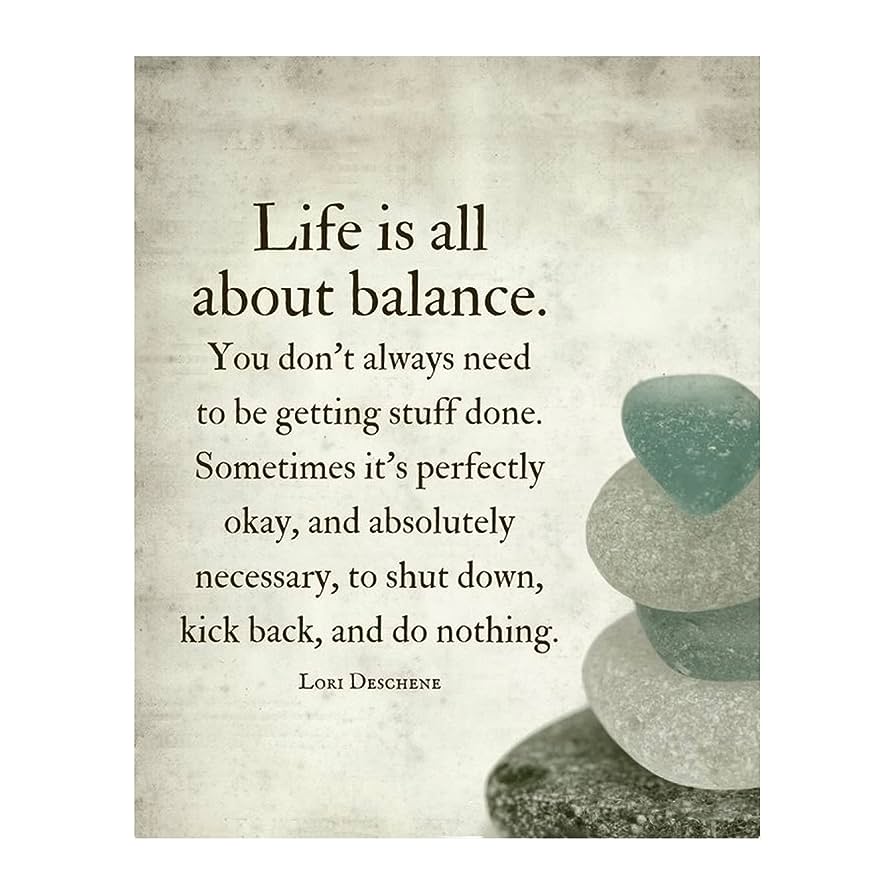
Hey there! It’s been a while since we had a heart-to-heart, and today I want to talk about something that’s been on my mind. I know I spoke about balancing our lives not too long ago, but I think it bears reminding ourselves that if we’re not careful, we can easily lose that balance. Life has a funny way of throwing curveballs at us, and sometimes it takes a little stumble to remember what truly matters.

In the past, my focus was firmly fixed on my career. Don’t get me wrong; I’m not what you’d call an “ambitious” person, but I used to think that my value was directly tied to my professional success. Climbing the corporate ladder seemed like the ultimate goal. However, as they say, life happens, and one day, that career was gone. It was a tough pill to swallow, but it forced me to rediscover who I was beyond the job title.

One aspect of life that I’ve always highly valued is family. Now, I’ll be the first to admit that I’m absolutely terrible at keeping up with people, so thank God for social media, am I right? But over time, I’ve learned that family isn’t just the people you happen to share a last name or a DNA connection with. Family is about the people you choose to walk through this crazy journey called life with you.

So, how does all this relate to finding that elusive balance in life? Well, here’s the thing: anything in excess can be harmful for us. That doesn’t mean we shouldn’t prioritize certain aspects of our lives. For me, relationships are right up there at the top of my list of priorities. The people you choose to have in your life, those are the ones who need you the most.

Our reality is that life is short, and it zips by faster than we can imagine. None of us get to stay here forever. We can’t take our careers or our possessions with us when we go. All that accompanies us to the great unknown are the love we’ve shared and the experiences we’ve lived. Of course, we need resources to live and to make some of those experiences happen, but if we let those things become our top priority, we miss out on the bigger picture.

You know, the best piece of advice I’ve ever received was that in order to truly enjoy life, I had to keep it in balance. Now, let me tell you, it’s not an easy task. It means doing what’s necessary to live our lives to the fullest without losing sight of what’s really important—those relationships, those moments, and the love we share.

I’m a planner at heart. Keeping a schedule is a way to help us make sure that we work that balance in life. It doesn’t have to be anything fancy. We all have phones with calendars and virtual assistants that can set reminders for us and manage our calendars. Make sure that you schedule time for the ones you love. Also, make sure that you schedule some time for you. Sometimes we forget to love ourselves and that gets us out of balance.

So, here’s my friendly reminder to you (and myself): let’s not forget what truly matters. In the grand scheme of things, it’s not about how high we climb in our careers or how many possessions we amass. It’s about the people we love and the memories we create along the way. So, let’s keep striving for that balance, because that’s where the real magic of life happens.

Until next, be blessed!

WF: I’m not who I was

This is an adorable song. It’s a love story without a happy ending. The lover is reminiscing on his feelings. He thinks about how his life has changed since his love went away.

Without giving too much, I will tell you this…stay tuned next Friday and you will be able to read a love story. A story of unappreciated love where he would love at the end for his loved one to see how he has finally seen the light and how God has changed his heart.

Happy Friday!

WF: Worship Friday

True Love

We are all pursuing true love. God created us as social beings, yes even those of us who don’t enjoy being around people. The reality is that those who don’t enjoy being around people,  are just protecting themselves from being hurt, if you look deep down. As loving creatures we crave love, just as much or more than we crave food or water.

But as we pursue love, are we willing to give love, real love? At the end of the day, what is love? The word of God tells us in  1 Corinthians 13:4-8 “Love is patient and kind; love does not envy or boast; it is not arrogant or rude. It does not insist on its own way; it is not irritable or resentful; it does not rejoice at wrongdoing, but rejoices with the truth. Love bears all things, believes all things, hopes all things, and endures all things. Love never ends.”

So having that as a base, are we patient with the ones we love?

I know that this is a hard one. We all have expectations for ourselves and for those around us. Sometimes we know the potential of our loved ones, but they may not be ready, don’t realize it or  simply don’t want to. Are we patient enough  to support them through their journey?

Do we always want to get our way?

Ask yourself this, do you rather be at peace or right all the time? Sometimes we have to compromise in all kinds of relationships. Yes, we obviously think that our way and our thoughts are the best ideas, but when we love someone we need to take a step back and give grace and allow others to go at their own pace, their way and support them and love them through the process.

Do we really believe in them?

In spite of the faults and weaknesses that we see in the ones we love, do we truly believe in the best for them? If we love someone we can’t show our love being critical of them. Instead we should encourage their dreams, their desires and their hopes.

 Do we hope for all things?

When things are at their darkest point we need to place our trust in God and not necessarily on the other person. At the same time, do we allow the Lord to work the situation or do we just give up at the first sign of being uncomfortable?  Let’s not forget that “And we know that in all things God works for the good of those who love him, who has been called according to his purpose.” Romans 8:28

So we know everything will be alright even on the darkest of nights. Remember, when Jesus came to earth, the worst that could happen to the apostles was to lose him and he died…but then he was resurrected. In every dead area of our lives we need to hold on to the hope that he will either will be resurrected or make it brand new.

Can we endure all things?

Life and relationships are not easy. Even identical twins are different human beings. We need to learn to accept people for who they are. When we are committed to love somebody, we need to be prepared for trouble to come, not because we want to, but because it’s life. Sometimes issues happen because a situation happens or because there’s a disagreement. When we truly love, regardless of the type of relationship, we need to be prepared to work through our issues instead of disregard the relationship. If we decide to love like Jesus did, let’s do the right thing and express true love.

Until next time… Be blessed.